
I still remember when my induction cooktop stopped working. It was a mere six months after the purchase!
Just like many, I had managed to convince myself it was a smart buying decision after browsing Daraz and comparing a few options online late at night.
The one-year warranty seemed to be quite a strong selling point to me. This assurance, however, vanished almost instantly.
I found myself in a situation where I had to deal with a series of unanswered calls, vague instructions, and finally being told that I had to bring the appliance all the way to the other side of the city myself if I wanted to get it repaired.
For warranties, it is quite natural for us to have expectations and hopes. However, my experience made me reconsider my viewpoint and start to see the different side of things.
I have, in fact, drastically changed the way I approach warranties in Nepal.
These days, whenever I take a look at brands like Baltra, Bajaj, Philips, Panasonic, or even if I simply do some browsing on Better Appliances, I look more into the realities of after-sales support and reliability than anything else.
Understanding Hidden Rules in Nepal Appliance Warranties
Most of the time, warranty terms appear to our eyes quite straightforward and simple. Naturally, a one-year warranty should equate to a full coverage period, but very rarely does it work that way in Nepal.
Most of the appliances that you can buy from Daraz or Hardware Pasal come with warranties that are mainly the responsibility of third-party sellers or importers.
So, in the event of a malfunction, quite often you are the one who has to interact with the seller rather than the brand.
Because of which, I have now shifted my focus to such types of retailers who not only sell the product but also handle the warranties and the after-service.
Getting access to the repair service is indeed another major challenge for most people. Since the vast majority of the centers are located within the Kathmandu Valley, this certainly presents a challenge to those outside of the city who want to make repairs.
Warranties also have parts that are not covered.
Heating-related defects or voltage damages caused in the unstable power supply areas are typically listed among the problems not covered, which is a matter of concern.
The After-Sales Gap and the Brands Getting It Right
Over time, I've concluded that the real difference between brands becomes evident after the purchase.
When I was changing my kitchen appliances, I considered well-known brands like Bajaj, Prestige, Philips, and Panasonic, wondering how their services work with actual customers.
Though brands like Prestige and Bajaj have stepped up their game, it is still true that most companies tend to focus on selling rather than on customer support.
That is where the biggest customer frustration occurs.
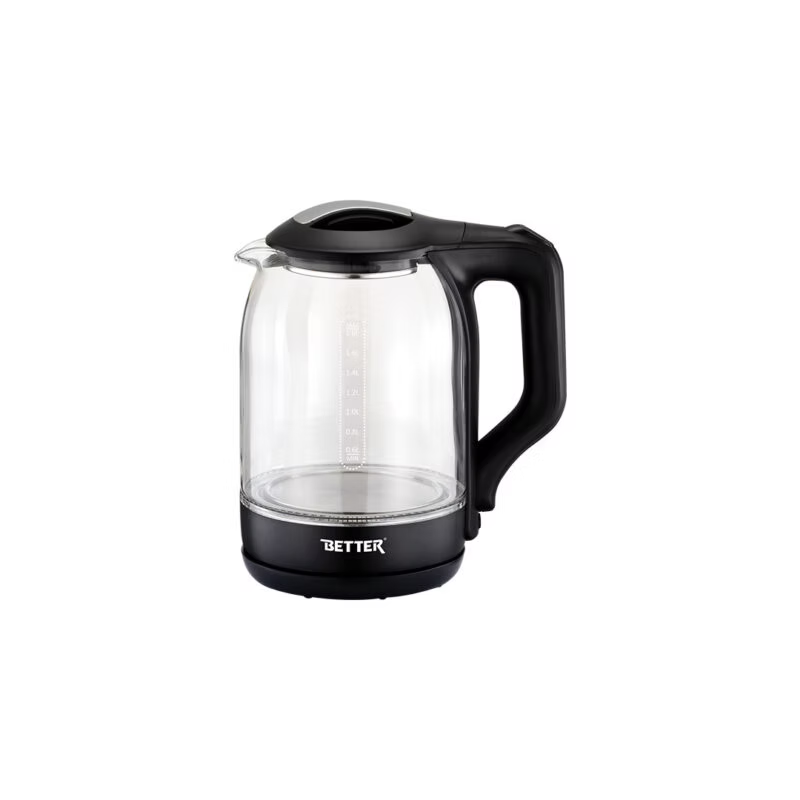
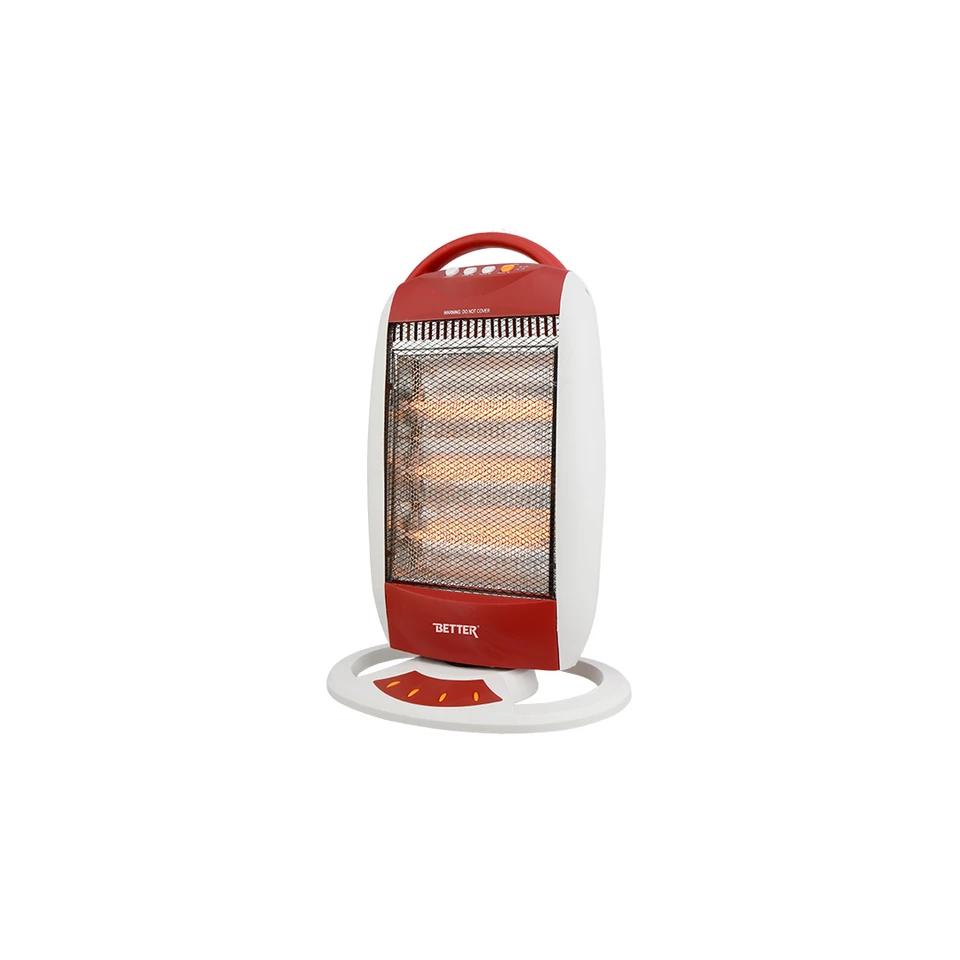
At the same time, I also got back to Better Appliances and really took a look this time. What stayed with me was their after-sales service.
After having my own experience of taking a faulty appliance to the shop, the thought of technicians who can come to your home in Nepal sounded so feasible.
They have been operating for quite a while, so their service network is highly reliable, which is quite significant around here.
The Real Price of Buying New Appliances
It is rare that we buy appliances in Nepal without giving a lot of thought. Most of us plan it and even tweak our budgets.
Changing our geyser was one of the instances that I remember well. Comparing various models of Bajaj, Baltra, Better Appliances, and Prestige, and decided on the one which was within our budget.
Brand names were not the only consideration for us. In fact, we were considering if we would be able to pay without stress and about the availability of facilities for the repairs if the situation arises.
We were checking out various shops and at that moment, I remembered that Better Appliances had a co-operation with Nabil Bank for 0% EMI payments.
At first, it seemed that it was not a great feature, but when I kept thinking about it, it was just perfect for a big purchase.
This factor may not be directly associated with the warranty, but it influences the overall experience.
Essential Checklist Before Buying Appliances in Nepal
Looking back, I would definitely exercise more caution with my first purchase.
First, I would confirm who is responsible for the warranty, is it the brand or just the seller?
Then, I would find out how easy it is to get the product serviced, for example, if there are service centers nearby or if there is an option for a home visit.
Actual customer feedback is far more meaningful than just basic reviews, especially when one is facing a problem.
I would also take into consideration whether the brand has been operating in Nepal for a long time.
Above all, I would not limit my thoughts to the price only because cheaper ones might turn out to be costly in the long run.
Making the Best Choice for Your Home
What I've figured out is that in Nepal, warranty is less about what's written on a piece of paper and more about how it helps when you need support.
We tend to concentrate on price and features, which are logical, but after-sales service is equally significant. Eventually, things break, and that is the moment when your decision really demonstrates its worth.
I still shop at Daraz, but I am also interested in retailers and brands like Baltra, Bajaj, Philips, Panasonic, and Prestige.
To me, some alternatives seem more trustworthy than others and Better Appliances appears to be one of the most reliable choices, particularly since they provide doorstep service all over the country.
We all strive to be smart decision-makers, and genuine experiences have a greater impact than advertisements ever could.



Write a comment ...