Nepal’s climate changes drastically between summer and winter.
From the hot, humid Terai plains to chilly hill towns like Pokhara or the cooler Kathmandu valley, managing indoor comfort can feel like a real challenge.
Using the right appliances at the right time can not only improve comfort but also save electricity and reduce wear and tear.
This guide will help you understand more about the summer appliances and winter appliances to make smart choices based on your home, lifestyle, and local conditions.
Understanding Seasonal Needs in Nepal
Nepal experiences a wide range of temperatures and humidity levels throughout the year.
Summers (April to September) can be hot and humid, especially in the southern plains, while winters (December to February) are cold and dry in many hill regions.
Because of these differences, appliances that work well in summer may not be needed, or may even be counterproductive, in winter.
Planning ahead ensures efficiency, comfort, and cost savings.
Summer Appliances: Beat the Heat
1. Ceiling and Pedestal Fans
Fans remain the most widely used cooling solution across Nepal. In summer, they are essential for:
a. Air circulation in bedrooms and living rooms
b. Cooling smaller apartments or offices where AC isn’t practical
c. Reducing reliance on high-energy devices
For hill regions like Kathmandu, a ceiling fan may be enough, while in the Terai plains, combining a fan with an AC or cooler is often ideal.
2. Air Conditioners
Air conditioners provide targeted cooling, which is especially useful in humid or heat-prone areas like Biratnagar and Jhapa.
When choosing an AC, consider:
a. Room size: Small bedrooms need 1–1.5 ton units, while larger living spaces require 2 ton units or split systems
b. Energy efficiency: Inverter models save electricity during extended summer use
c. Local power fluctuations: Models with built-in surge protection or compatibility with backup systems are practical
Even in hill towns, an AC can make hot afternoons more tolerable, especially in modern apartments with poor airflow.
3. Air Coolers and Evaporative Coolers
In Nepal’s dry Terai regions, air coolers are a cost-effective alternative to ACs.
Advantages:
a. Lower energy consumption than ACs
b. Adds moisture in dry conditions, improving comfort
c. Portable and easy to move between rooms
However, they are less effective in high humidity, so understanding your local climate is key.
4. Refrigerators and Freezers
Summer increases the need for effective food and drink storage. While refrigerators are used year-round, summer requires extra attention:
a. Ensure proper ventilation to avoid overworking the compressor
b. Keep temperature settings optimized to handle high ambient heat
c. For families, a freezer or larger fridge can prevent frequent spoilage of perishables
In Nepalese households, brands with durable compressors that withstand frequent voltage fluctuations are especially useful.
5. Water Purifiers and Coolers
Summer increases the risk of waterborne illnesses due to higher temperatures. Clean, cool drinking water is critical.
a. Water purifiers with UV or RO technology help maintain safe drinking water
b. Electric water coolers can store chilled water for convenient access during peak heat
Choosing devices that are easy to maintain and repair locally adds long-term value.
6. Portable and Personal Appliances
Smaller devices such as portable fans, misting fans, and personal air coolers are increasingly popular among Nepalese students, office workers, and families in small apartments.
They provide focused relief without consuming excessive electricity.
Winter Appliances: Stay Warm and Cozy
1. Heaters and Radiators
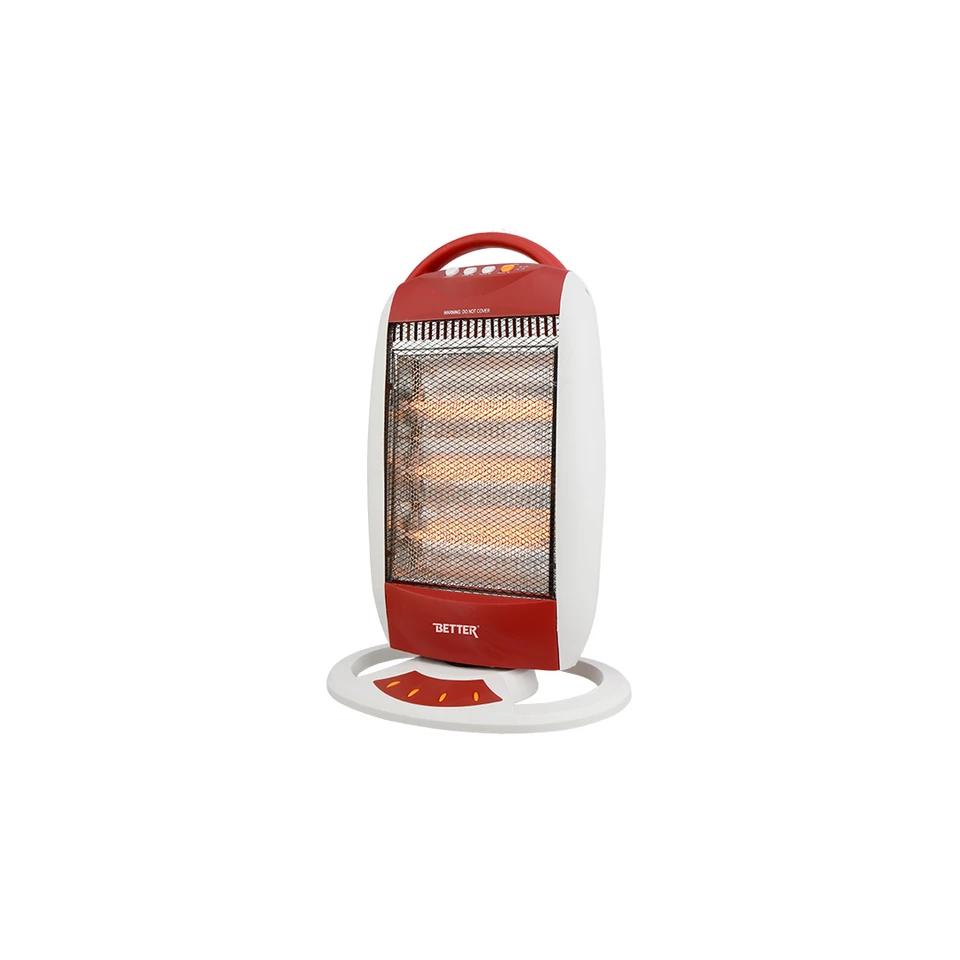
Hills and high-altitude areas of Nepal experience cold winters, making heaters essential.
a. Oil-filled radiators are quiet, energy-efficient, and safe for indoor use
b. Fan heaters provide fast, localized warmth but can dry out the air
c. Always choose models with thermal cut-off and safety features for homes with children
In Kathmandu or Pokhara, heaters are especially useful during December to February nights.
2. Geysers and Water Heaters
Warm water becomes a priority during cold months.
a. Instant geysers provide immediate hot water without storage, ideal for bathrooms
b. Storage geysers hold large volumes of water, useful for families with multiple members
c. Energy-efficient models save electricity during peak winter usage
Local voltage fluctuations should also be considered when selecting water heaters in Nepal.
3. Humidifiers
Dry indoor air is common in winter, especially in heated rooms.
a. Humidifiers add moisture, preventing dry skin, respiratory issues, and static electricity
b. Small portable units work for bedrooms, while larger models can humidify entire living spaces
This is particularly helpful in hill regions like Dhulikhel or Bandipur.
4. Washing Machines and Dryers
Winter laundry can be challenging due to slow drying times.
a. Front-loading washing machines are energy-efficient and clean clothes thoroughly
b. Dryers or machines with spin-dry options help reduce drying time
c. Some households in Kathmandu and Pokhara use rooftop or sun-exposed drying, but winter clouds can limit this
5. Kitchen Appliances
Winter cooking often involves heavier meals, which increases the use of kitchen appliances.
a. Electric stoves, ovens, and microwaves are convenient
b. Slow cookers or multi-cookers help prepare warm meals efficiently
c. Ensure kitchen ventilation is adequate to avoid smoke or heat buildup
Year-Round Essentials: Appliances That Matter in Every Season
Some appliances are critical regardless of the season:
Refrigerators: Food safety all year round
Washing machines: Regular clothing care
Water purifiers: Health and hydration
Ceiling fans: Circulation in winter and cooling in summer
Choosing brands that offer reliability, durability, and local support ensures these appliances perform consistently.
Popular Brands and Recommendations for Nepalese Consumers
Nepalese households often choose brands like Samsung, LG, Panasonic, Bajaj, and Crompton for seasonal appliances.
These brands are reliable and widely available, but local conditions like voltage fluctuations, humidity, and dust can affect long-term performance.
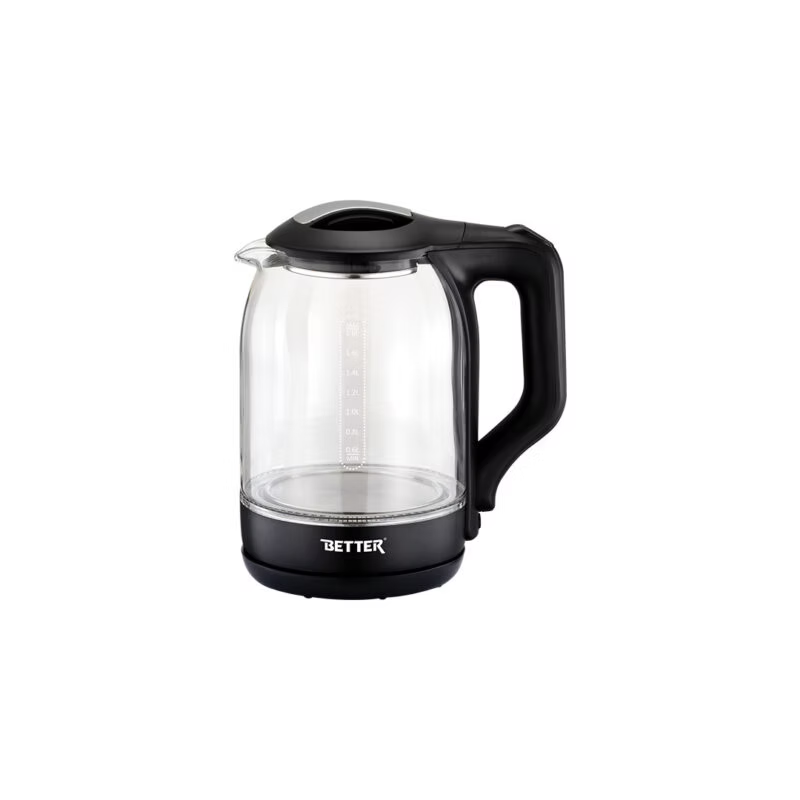
For those seeking appliances designed for Nepal’s climate, built for durability, and supported locally, Better Appliances offers a complete range for both summer and winter needs.
From energy-efficient fans and air conditioners to reliable heaters and water purifiers, they cater to practical Nepalese requirements without overcomplicating features.
Conclusion
Understanding which appliances to use, and when, is key to comfort, cost savings, and appliance longevity in Nepal.
Summer: Fans, ACs, air coolers, refrigerators, water coolers
Winter: Heaters, geysers, humidifiers, drying-friendly washing machines
Year-round: Refrigerators, water purifiers, washing machines, ceiling fans
Prioritise energy efficiency, local service availability, and appliance durability. Thoughtful planning today means fewer headaches and lower bills tomorrow.
Better Appliances offers practical, locally-suited options for both seasons, making it easier for Nepalese homes to stay comfortable year-round.



Write a comment ...